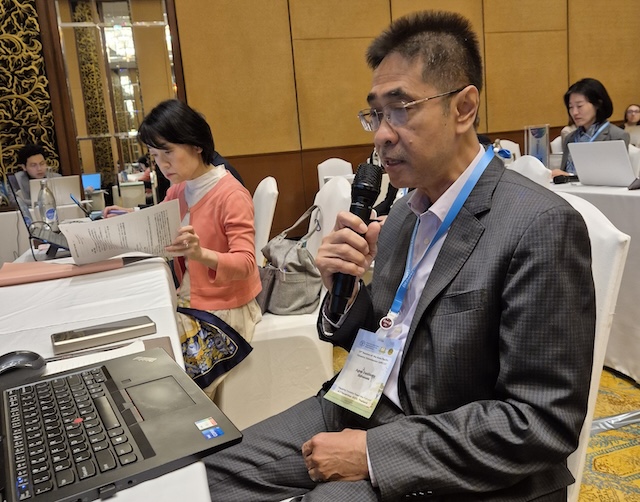
Enviro News Asia, Chiang Mai — Representative of the Indonesian Ministry of Forestry, Agus Justianto, reaffirmed Indonesia’s commitment to global climate action through the Forest and Other Land Use (FOLU) Net Sink 2030 initiative and the submission of the country’s Second Nationally Determined Contribution (NDC) on October 25, 2025. The statement was delivered during the 31st Session of the Asia-Pacific Forestry Commission (APFC31) and the 5th Asia-Pacific Forestry Week (APFW 2025), held at the Shangri-La Hotel in Chiang Mai, Thailand, from November 4–7, 2025.
The Asia-Pacific Forestry Commission (APFC) is a regional statutory body under the Food and Agriculture Organization (FAO). It serves as a consultative forum among Asia-Pacific countries to discuss policy directions and strategic issues in the forestry sector. Recommendations from APFC and other regional forestry commissions in Africa, Europe, and the Americas are subsequently presented at the Committee on Forestry (COFO) — the FAO’s primary global forestry forum.
Under the session theme “Healthy Forests Feed the Future,” Agus, as Head of the Indonesian Delegation, emphasized the importance of sustainable forests for shared prosperity. “As one of the world’s largest tropical forest countries, Indonesia recognizes that climate change directly impacts forest health. Since ratifying the Paris Agreement in 2016, our national commitment to climate action has remained strong and increasingly ambitious,” he stated.
Through its First NDC, Updated NDC, Enhanced NDC, and now the Second NDC submitted in October 2025, Indonesia continues to align national policies with global climate goals. The Long-Term Strategy for Low Carbon and Climate Resilience 2050 (LTS-LCCR 2050) and Presidential Regulation No. 110/2025 further demonstrate Indonesia’s transition toward a low-carbon and climate-resilient future — with the FOLU sector playing a central role in achieving these targets.
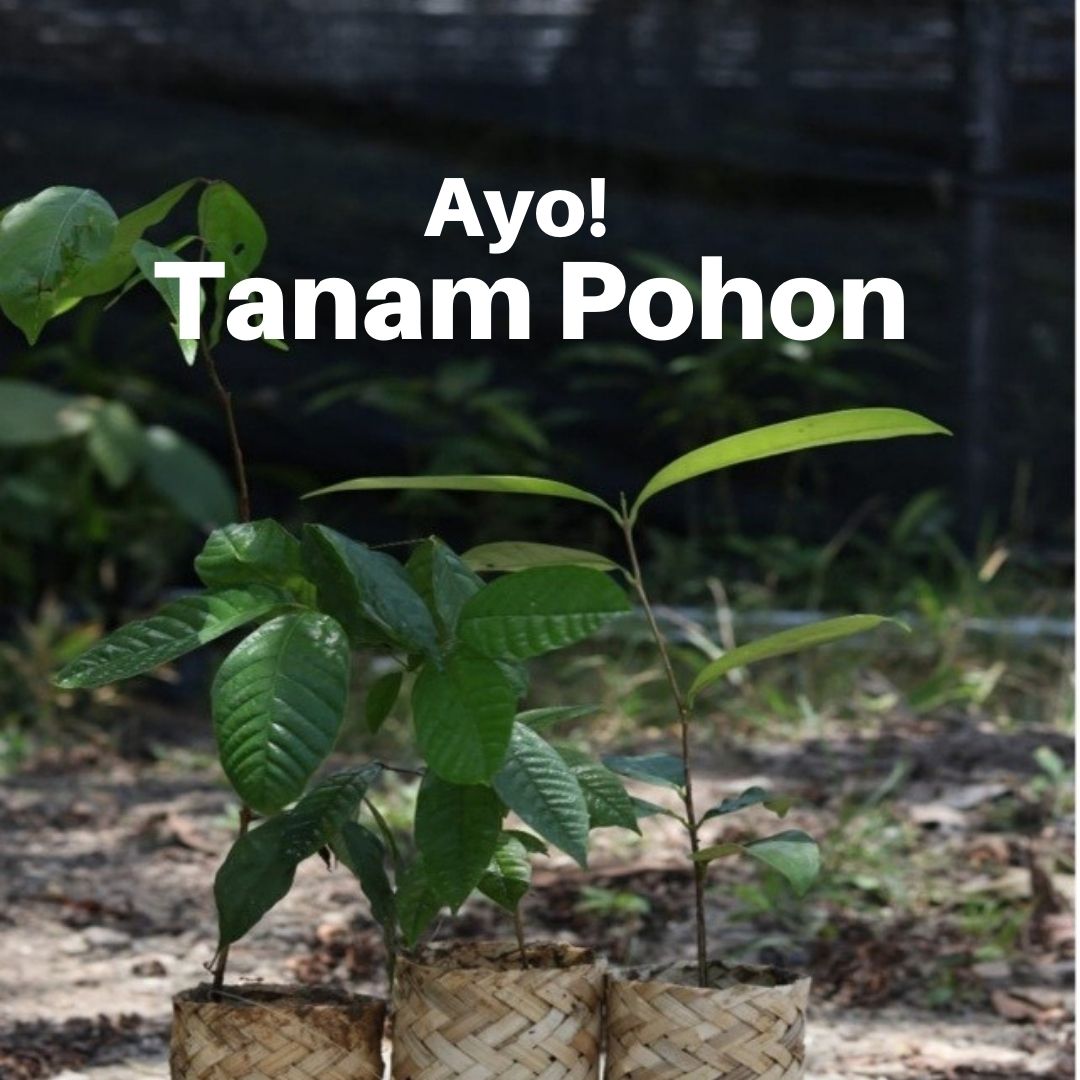
By 2030, Indonesia aims to achieve a net sink condition, where forest absorption exceeds CO₂ emissions, and ultimately reach net-zero emissions by 2060 or earlier. Agus urged the FAO to help mobilize financing to support Indonesia’s FOLU Net Sink 2030 initiative, as well as similar efforts by Asia-Pacific nations pursuing sustainable forest management. He also called on FAO to strengthen institutional capacity-building programs for APFC member countries, particularly in advancing community-based forest management institutions such as Forest Management Units (KPH) and Community Forestry Groups (KTH) in Indonesia.
During the APFC session on Advancing Sustainable Forest-Based Bioeconomy Approaches in Asia and the Pacific, Agus also delivered an intervention outlining Indonesia’s bioeconomy framework. Bioeconomy, he noted, is explicitly integrated into Indonesia’s long-term development plan and national policy, which promote nature-based industries and a circular bioeconomic approach.
Indonesia operates a Timber Legality and Sustainability Verification System (SVLK) and maintains Voluntary Partnership Agreements (VPA) with the European Union and the United Kingdom. The SVLK is mandatory for all exporters and ensures that only legally verified and sustainably managed timber enters international markets — a key measure to prevent illegal logging and strengthen global supply chain integrity.
Social forestry is also an integral part of Indonesia’s bioeconomy implementation. The government targets the expansion of social forestry areas to 12.7 million hectares as part of its sustainable forest management strategy. As of October 2025, 8.32 million hectares have been granted management permits, benefiting approximately 1.42 million households and generating an estimated IDR 4.58 trillion in economic value as part of Indonesia’s growing bioeconomic chain.
***