The Indonesian Forestry Entrepreneurs Association (APHI) has welcomed the launch of the Green Waqf Movement by the Indonesian Ulema Council (MUI) on World Environment Day 2026, describing the initiative as a positive step toward expanding public participation in environmental conservation and ecosystem restoration efforts across Indonesia.
APHI Chairman Soewarso said the growing challenges posed by climate change, land degradation, and ecosystem degradation require collaborative approaches that combine innovative financing mechanisms with broader public engagement. According to him, waqf can serve as a social instrument capable of supporting environmental rehabilitation, reforestation, natural resource conservation, and community empowerment around forest areas.
“Environmental protection cannot rely on a single actor. Broader participation from all sectors of society is needed. The Green Waqf Movement creates opportunities for communities to contribute directly to environmental restoration programs whose benefits can be enjoyed across generations,” Soewarso said.
He added that the forestry sector plays a strategic role in maintaining ecological balance, water security, biodiversity conservation, and climate change mitigation. Therefore, initiatives that strengthen public support for sustainable natural resource management should continue to be encouraged.
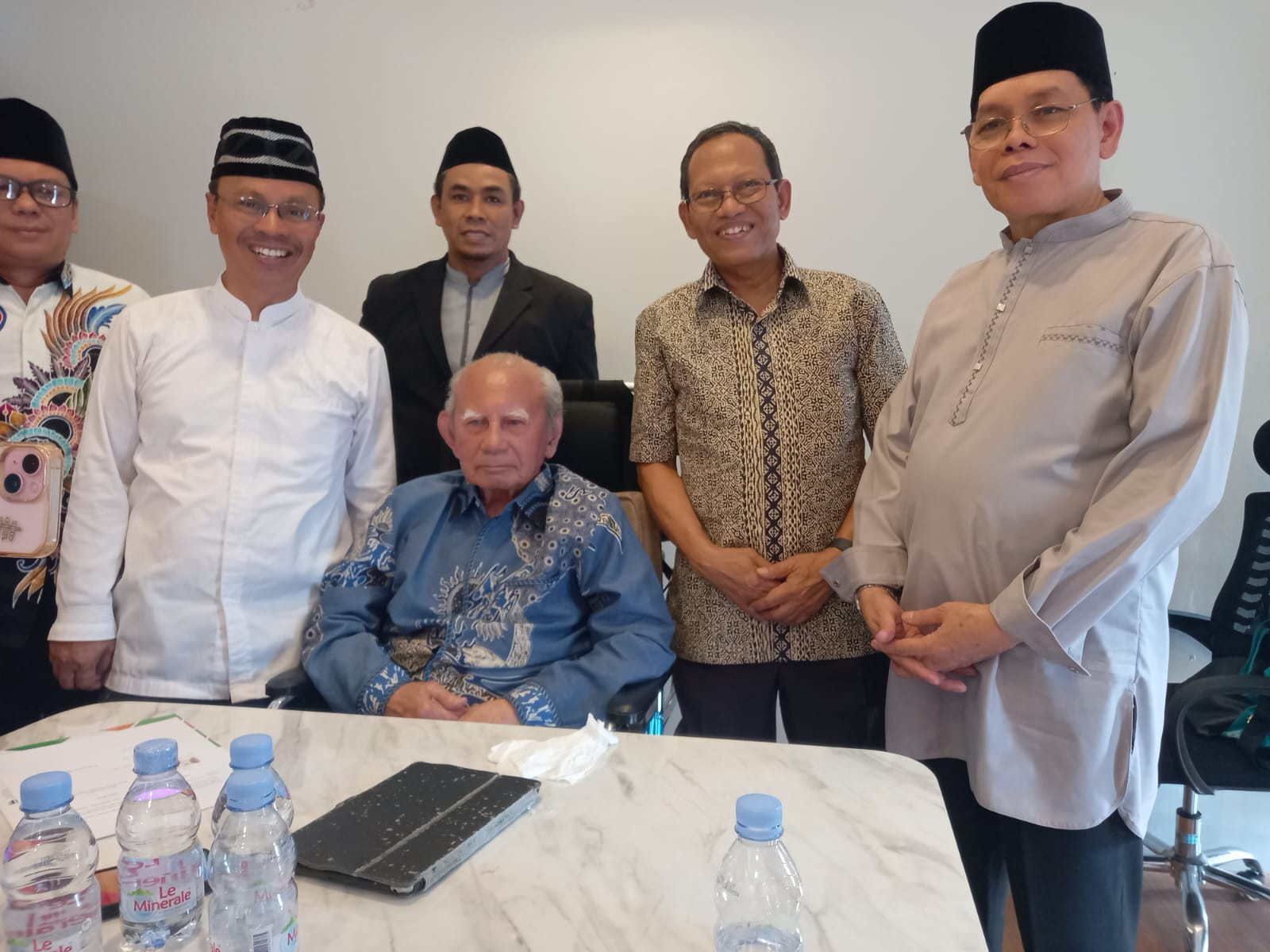
Speaking at the event held at the MUI headquarters in Jakarta, renowned Indonesian environmental expert Emil Salim stressed that environmental sustainability must remain an integral part of national development. He said development success should not be measured solely by economic growth but also by the ability to preserve environmental carrying capacity and improve people’s quality of life.
“Indonesia possesses immense natural capital. The challenge is how to utilize these resources wisely without reducing nature’s ability to sustain future generations. Development must strike a balance between economic, social, and environmental interests,” Emil Salim said.
He noted that social instruments, including waqf, could be directed toward conservation activities, rehabilitation of degraded lands, expansion of green spaces, and efforts to raise public awareness about environmental stewardship. Strengthening environmental ethics and sustainability values, he added, is becoming increasingly important amid escalating global climate challenges.
APHI stated that the spirit behind the Green Waqf Movement aligns with ongoing efforts to promote sustainable forest management. Through collaboration among religious institutions, government agencies, businesses, academics, and communities, Indonesia can enhance its environmental restoration capacity while generating long-term social and economic benefits. (**)