
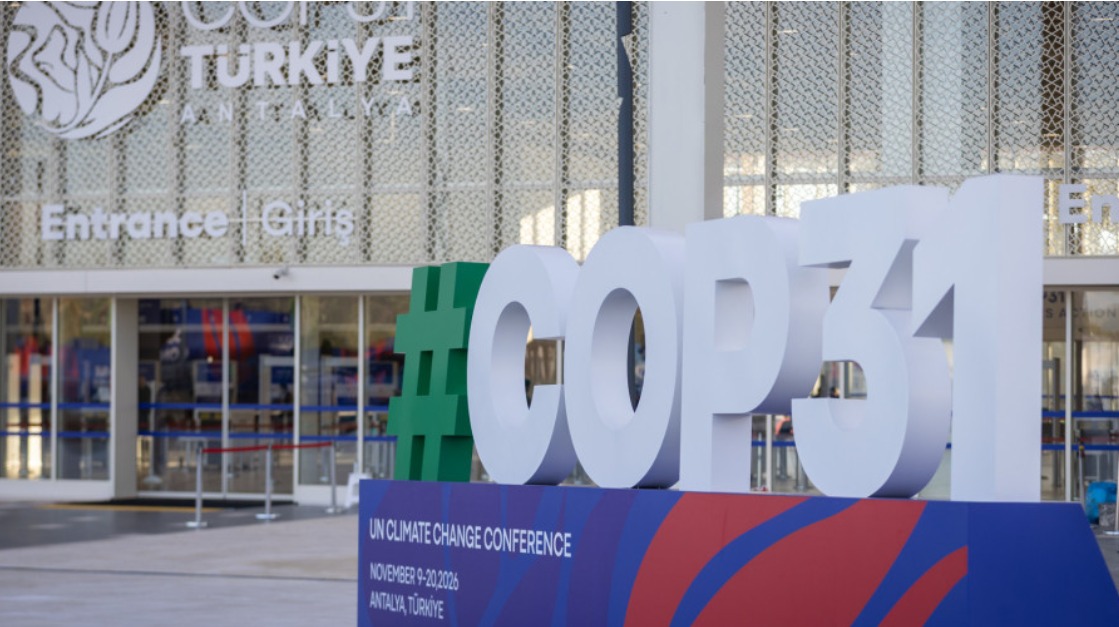

Ahead of the opening of the 31st Conference of the Parties to the United Nations Framework Convention on Climate Change (COP31) in Antalya, Türkiye, leaders of the UN climate process have stressed that climate pledges and targets must be translated into tangible results. The message was delivered by UNFCCC Executive Secretary Simon Stiell, COP31 President-Designate Murat Kurum, and COP31 Negotiations President Chris Bowen in a statement released by the UNFCCC on Thursday (5 November 2026).
COP31 is scheduled to take place from 9 to 20 November 2026. Stiell cautioned that the conference should not be seen as a shortcut to resolving the climate crisis. “No single COP is a magic solution that can end climate change overnight. But every recent COP has delivered important progress. COP31 in Antalya will be no different,” he said. Amid mounting geopolitical pressures, Stiell said countries must come together again and take concrete action to protect more people and ensure they benefit from climate action.
Stiell noted that this year’s conference is taking place amid a prolonged crisis driven by the costs of fossil fuels, which have contributed to surging energy and transport prices. Increasingly severe climate disasters, he said, are claiming lives, damaging human health, driving up food prices and worsening hunger. He believes COP31 can strengthen practical solutions, ranging from electrification and clean energy to reduce household bills and ensure energy security, to enhancing resilience against the impacts of a “super El Niño”. Climate finance, he added, must also reach communities faster, with less burdensome administrative procedures. He further emphasised the need to cut super pollutants, noting that methane can warm the planet up to 80 times more powerfully than carbon dioxide.
Kurum stressed that COP31 would focus on turning commitments made at previous COPs into tangible outcomes. “This is the first COP that clearly and unequivocally shows that the world will overshoot the 1.5-degree target. We will not look away, and we will not retreat from our ambition,” he said. He maintained that the 1.5-degree target must remain the guiding compass, while Antalya must begin addressing the new reality created by the overshoot.
On climate finance, Kurum reiterated the agreement reached in Baku to mobilise at least US$300 billion annually by 2035 for developing countries. “We do not need new targets. We must deliver on the targets that have already been set, with developed countries taking the lead,” he said. According to Kurum, COP31 is also designed to usher in an era of electrification. “The energy we need to import is energy that we do not control,” he said. Through the “zero waste” agenda, he aims to demonstrate that the first step towards climate action comes at no cost: the decision not to waste. Reducing methane emissions from waste, he added, is one of the fastest ways to slow global warming.
Chris Bowen, who also serves as Australia’s Minister for Climate Change and Energy, acknowledged that the conference is taking place during a challenging period. “Reaching consensus among nearly 200 countries will not be easy, but cooperation remains essential,” he said. “No single country can solve the climate change challenge alone.” He expressed hope that COP31 would help unlock financing and investment, deliver more affordable energy for households, accelerate electrification and strengthen action to protect the oceans.
Stiell said COP31 would bring together businesses, cities, local governments, communities and civil society through the Global Climate Action Agenda to turn words on paper into tangible projects on the ground. He added that the core elements of the Paris Agreement, including national plans to expand clean energy and strengthen resilience, as well as progress reports, help maintain momentum and keep climate targets within reach.
***