

The transformation of Indonesia’s logistics sector toward a low-carbon system is regarded as a strategic component in supporting the country’s national climate commitments, particularly the achievement of Indonesia’s FOLU Net Sink 2030 target and the emission reduction goals outlined in its Second Nationally Determined Contribution (NDC) under the Paris Agreement.
The Green Logistics Talk forum, held in Jakarta on Thursday (19/02/2026), carried the theme “Measuring, Reducing, and Managing Carbon Footprint in Logistics for Indonesia’s Climate Commitment.” The event brought together government representatives, business actors, and cross-regional professional networks to emphasize the importance of integrating forestry policy, supply chain efficiency, and accountable carbon footprint measurement in building a sustainable economic system.
Agus Justianto, Project Director of FOLU NC-1 and Member of the Advisory Board for Indonesia’s FOLU Net Sink 2030, stated that carbon emission management must be viewed as an integral part of responsible development rather than as an obstacle to economic growth.
“The approach we are promoting is not to halt development, but to ensure that every economic activity operates more efficiently, prudently, and sustainably,” Agus Justianto said during the forum.
He explained that Indonesia has established commitments through its Second NDC and the FOLU Net Sink 2030 target, which positions the forestry and other land use sector as a net carbon sink by 2030. According to him, cross-sector contributions, including transportation and distribution, are decisive in achieving this target.
“The private sector, including logistics, plays a significant role through energy efficiency, technological innovation, and the implementation of accountable emission measurement and reporting systems,” he said.
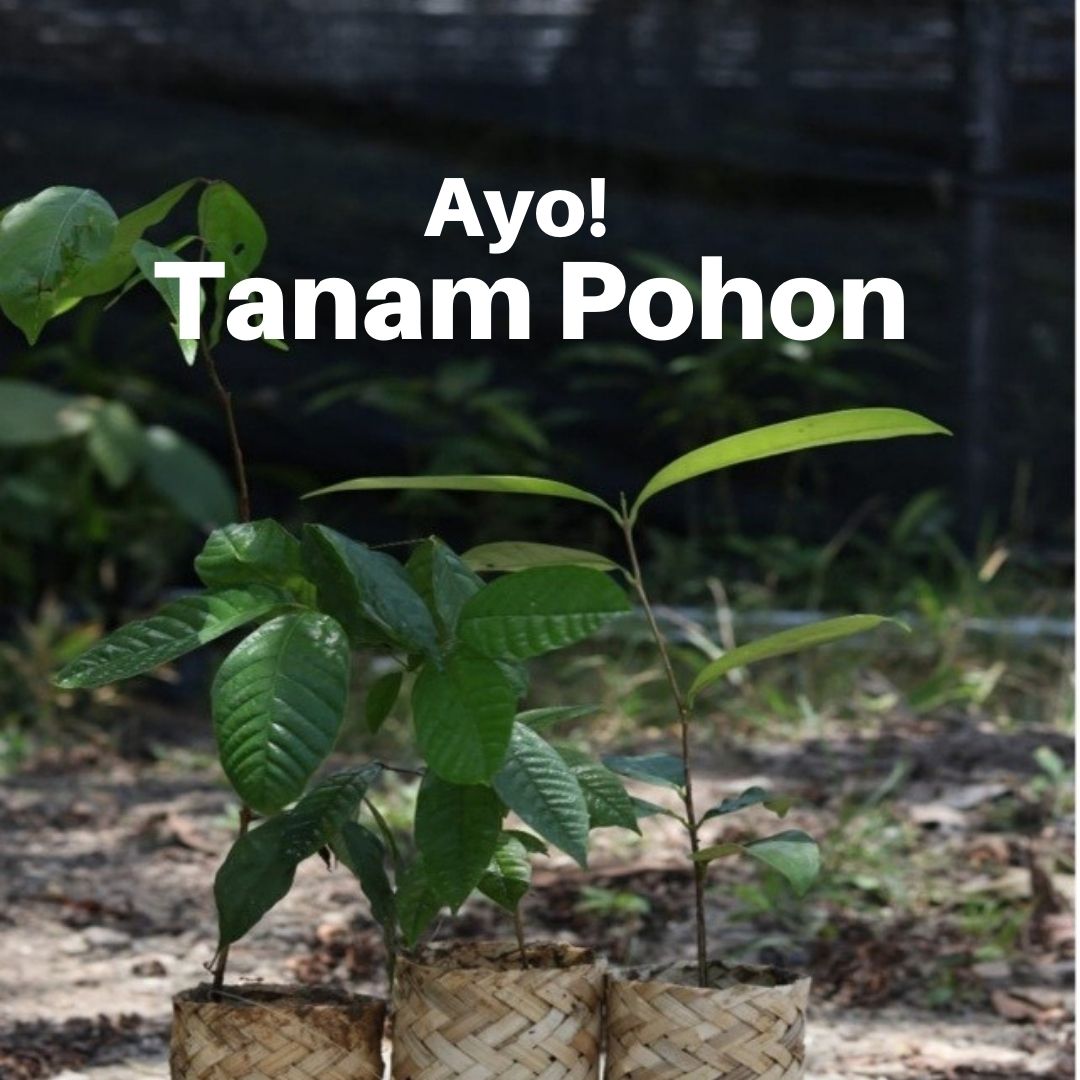
Agus Justianto added that forest rehabilitation and tree planting constitute concrete interventions within the FOLU framework. To date, the implementation of FOLU NC-1 has covered more than 17,000 hectares, increasing carbon stock by more than 34,000 tons of carbon dioxide equivalent (CO2e). These achievements will continue to be strengthened through subsequent schemes.
Netty Sri Rejeki, Founder of PT Arrakasta Nusalink Logistik Indonesia (ANL Logistics), affirmed that the logistics sector is prepared to assume a strategic role in supporting national climate commitments.
“As an archipelagic country, logistics is the backbone of national connectivity. However, every kilometer traveled carries a carbon footprint, and this is where our responsibility begins,” Netty stated. She emphasized that logistics transformation involves not only operational efficiency but also systemic reform through carbon footprint measurement aligned with international standards.
“We are committed to building a more resilient, low-carbon, and globally competitive logistics system,” she added.
Anis Fachmi, General Manager of All Sedayu Hotel Kelapa Gading, stated that the hotel welcomes the Green Logistics Talk initiative as part of broader efforts to strengthen a low-carbon and sustainable logistics system.
“The Green Logistics initiative aligns with the spirit of Sedayu Group in developing responsible, environmentally friendly, and long-term oriented businesses. We are committed to integrating sustainability principles into our hospitality operations, including supply chain management and collaboration with business partners, to support the achievement of national climate targets, including FOLU Net Sink 2030,” Anis said.
The Green Logistics Talk forum is expected to serve as a constructive dialogue platform that brings together government policy, industry practices, technological innovation, and professional organizations to accelerate efficient, low-emission, and sustainable distribution and transportation systems.
Through this multi-stakeholder collaboration, Indonesia reaffirmed its commitment to strengthening FOLU policy integration, industrial transformation, and private sector contributions in achieving national climate targets and reinforcing its position in the global green economy.
***