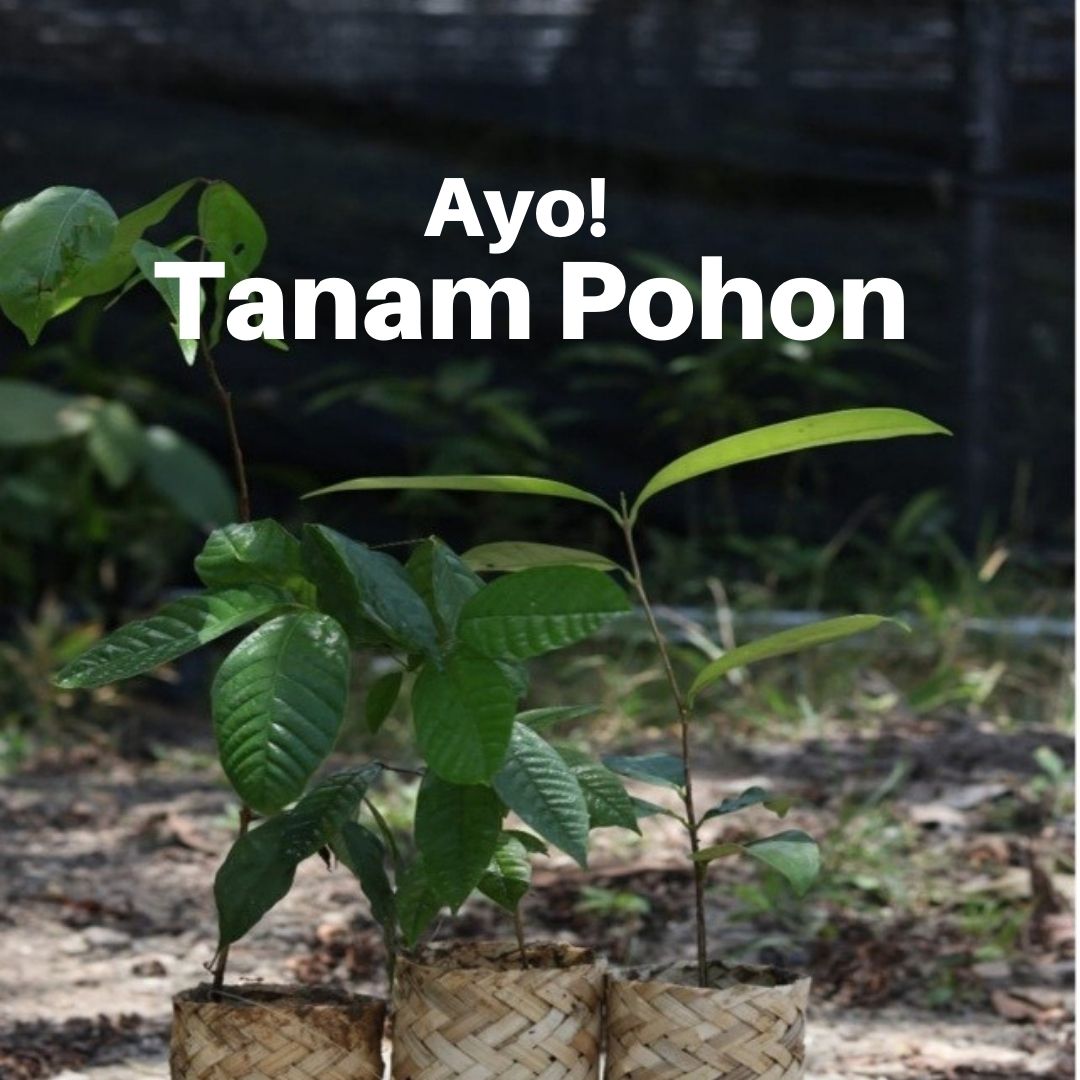
The Forestry Ministry is stepping up international cooperation on forest carbon through the Indonesia–Japan Joint Crediting Mechanism (JCM), aiming to promote high-integrity carbon projects, accelerate ecosystem restoration, protect biodiversity and improve community welfare.
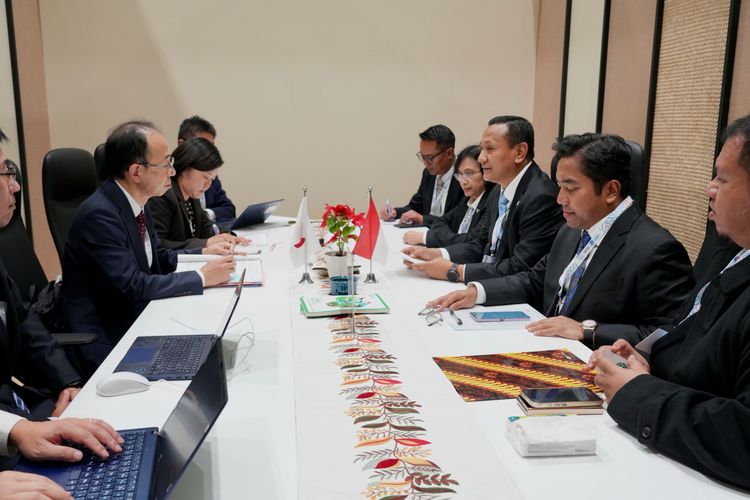
Vice Forestry Minister Rohmat Marzuki made the remarks during a bilateral meeting with Japan’s Vice Minister of the Environment Hiroshi Ono on the sidelines of the COP31 UN climate conference (UNFCCC) at the Indonesia Pavilion in Antalya on Monday.
Rohmat said Indonesia was committed to accelerating climate action while pursuing sustainable economic development. Through Article 6 of the Paris Agreement and the JCM, he said, Indonesia sought to build partnerships that link forest carbon project development with economic growth, particularly at the community level.
“We are trying to build partnerships that connect high-integrity forest carbon projects with economic growth, especially at the community level,” Rohmat said in a ministry press release issued on Tuesday.
He outlined four key commitments by Indonesia in forest carbon development: First, restoring degraded and severely degraded land through carbon removal projects covering 12 million hectares. Second, protecting forests from deforestation and degradation through carbon avoidance projects covering 50 million ha. Third, developing social forestry carbon projects covering 8.3 million ha. Fourth, developing customary forests covering 1.4 million ha.
According to Rohmat, these commitments must be translated into credible, concrete projects built on robust methodologies, effective environmental and social safeguards, and meaningful community participation.
Indonesia is also pushing for peatland and mangrove ecosystems to feature prominently in JCM cooperation, as both account for a large share of the carbon project portfolio currently being prepared by the country.
“Peatland and mangrove projects should become a defining feature of Indonesia’s forestry cooperation under the JCM, as well as a distinctive contribution to high-integrity global climate action,” Rohmat said.
He also highlighted opportunities arising from Japan’s Green Transformation Emissions Trading System (GX-ETS), which enters its mandatory phase in 2026. In line with the policy, Japan aims to procure about 100 million tonnes of carbon dioxide by 2030.
The Indonesian government, particularly the Forestry Ministry, welcomed the chance to develop and supply high-integrity offset carbon credits from nature-based projects in Indonesia. One of the main prospects is carbon removal through the restoration of 12 million ha of degraded land.
The cooperation is expected to connect Japan’s demand for eligible JCM credits with Indonesia’s ecosystem restoration priorities. Incoming investment would thus contribute not only to climate change mitigation, but also to restoring ecosystems, protecting biodiversity and supporting local livelihoods.
Rohmat further stressed that biodiversity must be an integral part of the value of nature-based carbon projects. Project benefits, he said, should be measured not only by the amount of carbon absorbed or avoided, but also by their contribution to biodiversity protection, ecosystem resilience and community well-being.
By strengthening Indonesia–Japan JCM cooperation, the ministry hopes to foster international partnerships that deliver measurable climate outcomes, reinforce biodiversity protection and bring lasting prosperity to communities.
***